
Dental Crown Frequently Asked Questions (2026)
Quick Navigation
If you are considering a dental crown at Bigmouthten Dental Clinic, Chiang Mai, you likely have questions about the procedure, longevity, and the best options for your smile. Below are the most common questions answered by our specialists.
Why do I need a crown instead of a filling?
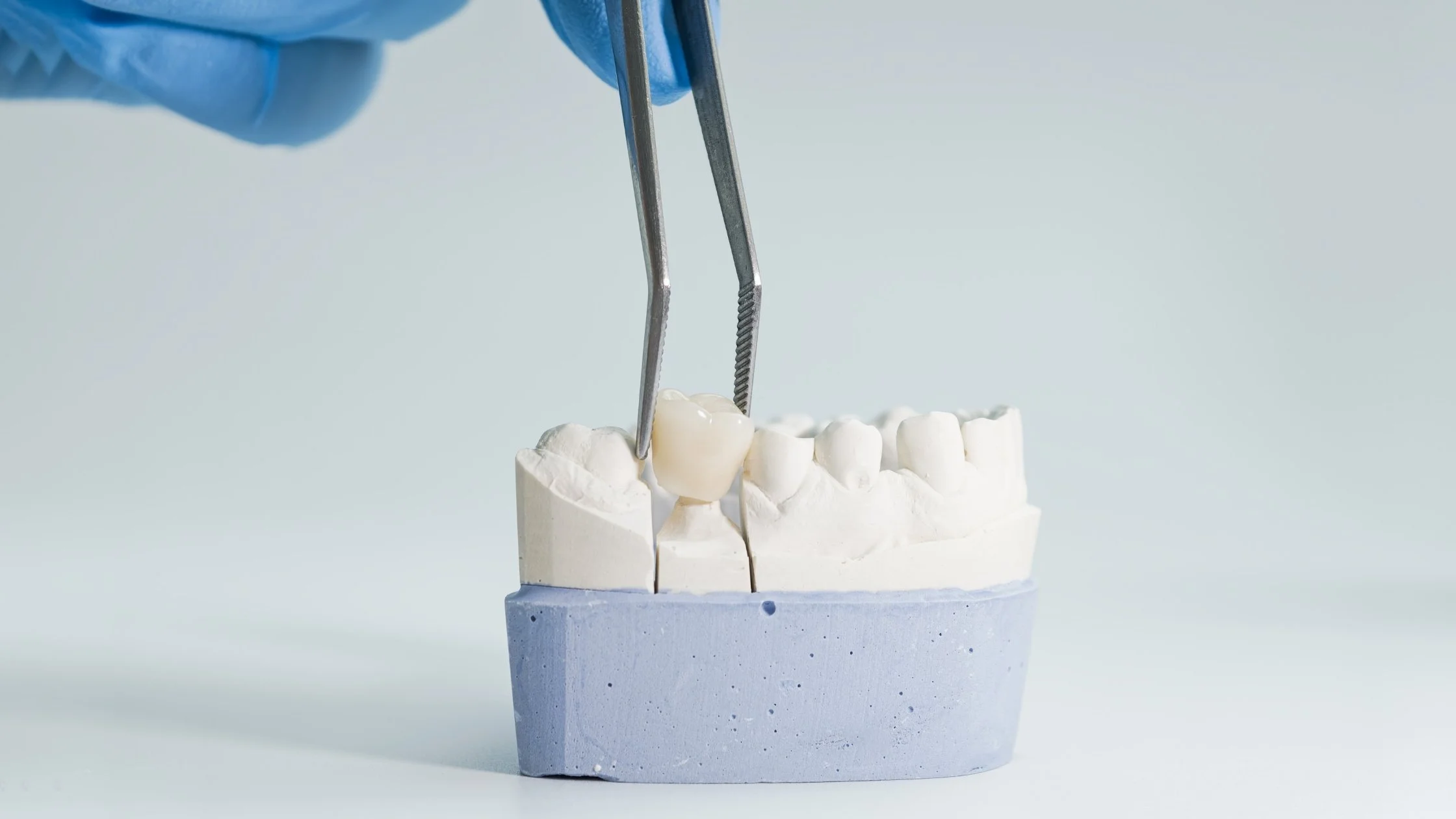
We recommend a crown when a significant portion of your tooth is damaged. While a filling patches a hole, a crown acts like a "helmet" to encase and protect a weakened tooth. Choosing a filling for a large cavity often leads to the tooth splitting, which could result in losing the tooth entirely.
Does getting a dental crown hurt?
The procedure is virtually painless. We use local anesthesia to ensure the area is fully numbed. For patients with dental anxiety, we also offer Nitrous Oxide (Laughing Gas) at our Chiang Mai clinic to make the experience completely stress-free. You may feel mild sensitivity for a few days after, but this settles quickly.
What is a Core Build-up, and do I always need one?
A Core Build-up is used to reinforce a tooth that has lost its natural shape due to decay or a fracture. We use high-strength composite resin to restore the "stump" so the crown has a firm surface to grip. Not every case requires this; it is only performed when there is an indication that the remaining natural tooth structure is insufficient to support a crown on its own.
What is a Post & Core, and how is it different?
A Post & Core is a deeper level of reinforcement typically used after a Root Canal or when there is substantial loss of tooth structure. A medical-grade Fiber Post is placed into the root canal to act as an internal anchor (the core support). We then build the resin "core" around it. This prevents the crown from snapping off at the gum line if the natural tooth is very brittle.
How long do dental crowns last?
On average, high-quality crowns like Zirconia or E-max last between 15 to 20 years. Their lifespan depends on your oral hygiene and habits (like avoiding chewing ice or using your teeth as tools to open packaging).
Can a crowned tooth still get a cavity?
Yes. While the crown itself cannot decay, the natural tooth underneath and at the gum line still can. This is why daily brushing, flossing, and regular specialist check-ups are essential to protect your investment.
Can I eat normally with a crown?
Once your permanent crown is bonded, you can eat almost anything. However, while you are wearing your temporary crown (during the 7–14 day wait), we recommend avoiding very sticky or hard foods like caramel or ice to prevent it from dislodging.
What should I do if my crown falls off?
Don't panic! Keep the crown safe and contact us immediately. Often, if the tooth underneath is still healthy, we can clean and re-cement it. If you are traveling, avoid trying to glue it back yourself with household glue, as this can permanently damage both the tooth and the restoration.